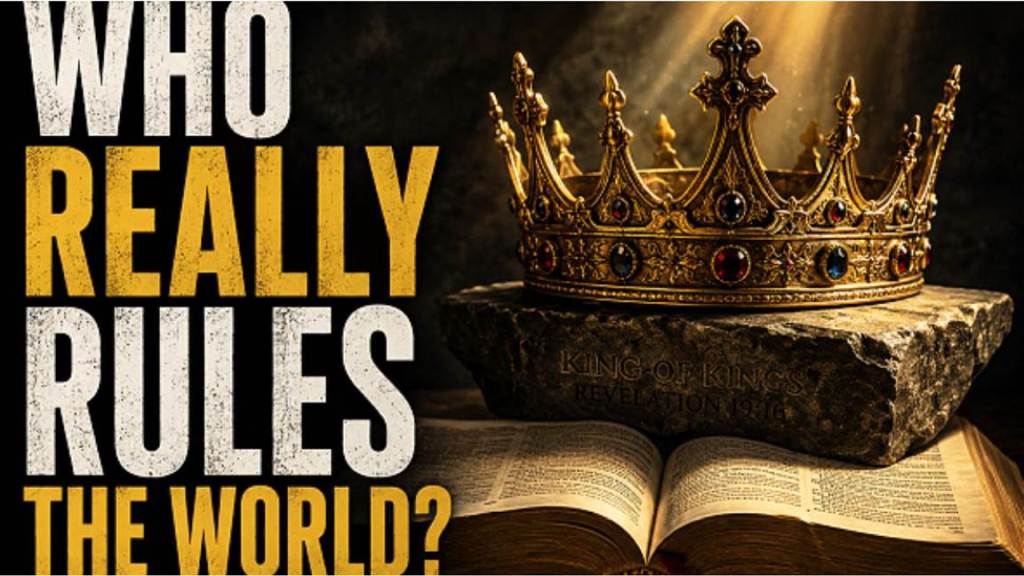
Psalm 72 is often read as a royal prayer for Solomon, and that is certainly part of the picture. But the psalm plainly stretches beyond Solomon. Its language grows too large, too global, and too enduring to fit any merely earthly king. It describes a ruler whose reign brings righteousness, justice, peace, deliverance, and worldwide blessing.
That is why Psalm 72 has long been understood as a messianic psalm. It points to the reign of Christ.
If you have ever wondered what Psalm 72 means, how it applies to Jesus, or what it teaches about the kingdom of Christ, this passage gives a rich answer. It presents Christ not as a king in waiting, but as a king whose rule matters now, whose kingdom changes people from the inside out, and whose reign reaches farther than private religion.
What is Psalm 72 about?
At the surface level, Psalm 72 is a prayer for the king. It asks God to give the king righteous judgment, justice for the poor, peace for the people, victory over oppressors, and a reign marked by blessing.
But the psalm keeps widening.
- The king’s reign lasts as long as the sun and moon endure.
- His dominion extends to the ends of the earth.
- All kings fall before him.
- All nations serve him.
- The whole earth is filled with God’s glory.
No ordinary son of David ever fulfilled that. Solomon was a type, not the finish line. Psalm 72 ultimately points to David’s greater Son, the Messiah.
Why many Christians read Psalm 72 as messianic
Even without a direct New Testament quotation of Psalm 72 by chapter and verse, there are strong biblical reasons to read it as referring to Christ.
1. The psalm is too big for Solomon
Solomon had a glorious reign by Old Testament standards, but he did not rule forever, he did not receive the worshipful service of all nations, and he did not establish endless peace throughout the earth. Psalm 72 speaks in categories that exceed any merely human monarch.
2. Davidic kings pointed forward to Christ
The kings of Israel were not ends in themselves. They were shadows and patterns. They pointed ahead to the true King who would perfectly unite justice, righteousness, mercy, and universal dominion.
3. The prophets echo this kind of kingdom language
The later prophets repeatedly speak of a coming reign marked by justice, peace, worldwide blessing, and the submission of nations to the Lord. Those themes line up naturally with Psalm 72.
4. Jesus taught his followers to read the Old Testament as pointing to him
The broad witness of Scripture teaches that the law, the prophets, and the writings all culminate in Christ. Psalm 72 fits that pattern.
What the reign of Christ means
To understand Psalm 72, it helps to be clear about the kingdom of Christ.
The kingdom of Christ is not merely a religious feeling in the soul, and it is not a postponed reality waiting to begin at some distant future point. In the New Testament, Christ is presented as already exalted, already enthroned, and already possessing all authority in heaven and on earth.
That matters because Psalm 72 is not describing an abstract hope with no present relevance. It describes the character and direction of Christ’s reign.
- Christ reigns now.
- His kingdom is universal in authority.
- His kingdom advances in history.
- His kingdom will be perfected at his return.
In other words, the kingdom has been established, is presently growing, and will one day be brought to full completion.
Psalm 72 and the kingdom of Christ
Psalm 72 gives a remarkably full portrait of what Christ’s reign looks like.
He rules with righteousness
The psalm opens by asking God to give the king righteous judgment. This is a king who does not rule by whim, corruption, vanity, or self-interest. He rules in perfect conformity to God’s standards.
That is central to Christ’s kingdom. His rule is morally straight. He does not bend justice for the powerful or ignore the weak. He does not flatter public opinion. He judges rightly.
This also means the reign of Christ is not merely external. His kingdom produces righteousness in his people. It does not stop at outward compliance. It reaches the heart.
He defends the poor and needy
Psalm 72 repeatedly stresses the king’s concern for the poor, the afflicted, the needy, and the helpless. He delivers those who have no helper. He rescues from oppression and violence.
This is not sentimental language. It tells you what kind of king Jesus is. He is not indifferent to the vulnerable. He is not a ruler who protects the comfortable while neglecting the weak.
In Christ’s kingdom, justice is not a slogan. It is a reality grounded in the character of the King.
He brings peace
The psalm links righteousness and peace. That connection is important. Biblical peace is not mere quietness, and it is not simply the absence of conflict. It carries the idea of wholeness, well-being, order, and flourishing.
Where Christ rules, peace follows. That includes:
- peace with God
- peace of conscience
- peace in human relationships
- peace that grows out of righteous order
This is one reason Psalm 72 remains so compelling. It does not present salvation as a narrow rescue operation that leaves the rest of life untouched. It presents a King whose rule restores what sin has disordered.
He subdues oppressors
The psalm says the king will crush the oppressor. That means Christ’s kingdom is not passive in the face of evil. His reign confronts what devours, corrupts, and tyrannizes.
He saves, but he also judges. He comforts the needy, but he also breaks the power of those who prey on them.
This guards against a weak and sentimental picture of Jesus. Psalm 72 gives us a merciful king, yes, but not a soft one. His reign is kind to the humble and terrible to persistent rebellion.
He receives honor from all nations
Psalm 72 moves from local kingship to global dominion. The nations are in view. Distant lands are in view. Kings bring tribute. Peoples serve him.
That is a major theme in biblical teaching about Christ’s kingdom. Jesus is not the tribal deity of a religious subgroup. He is the rightful Lord of all peoples, all rulers, all lands, and all ages.
The reign of Christ is global in scope.
Does Christ’s kingdom affect only individuals, or whole societies too?
One of the most important questions raised by Psalm 72 is this one. Does the kingdom of Christ only change individual hearts, or does it also affect the world those hearts inhabit?
The biblical answer is both.
Christ’s kingdom certainly enters the heart. The gospel brings repentance, faith, forgiveness, and new life. But the kingdom is not limited to inner experience. Scripture also speaks of the kingdom’s effects in the world.
A helpful way to think about it is this:
- The kingdom is planted in people. Hearts are renewed.
- The kingdom is planted in the world. Human life, relationships, institutions, and cultures are affected.
That does not mean every society becomes righteous all at once. Nor does it mean the church is called to seize political control by force. It does mean the reign of Christ has public consequences. When people are converted, they live differently. Families change. Communities change. Standards change. Customs change. Public morality changes.
That is simply what happens when truth and righteousness take root.
“My kingdom is not of this world” does not mean “my kingdom has no effect on this world”
This is a common point of confusion.
When Jesus said his kingdom is not of this world, he was not saying his reign has no bearing on earthly life. He was speaking about the source and nature of his authority. His kingdom does not arise from human politics, popular consent, or earthly power structures. It comes from above.
Its origin is heavenly.
But a kingdom from heaven can still have profound consequences on earth. In fact, Psalm 72 assumes exactly that. The righteous rule of the king changes conditions among peoples and nations.
How the kingdom grows
Psalm 72 paints a large picture, and the rest of Scripture helps explain how that picture unfolds.
The kingdom does not ordinarily advance by instant spectacle. It grows the way seed grows. It is planted, it develops, and at the appointed time it reaches harvest.
That means Christians should expect growth, not just arrival. The pattern is:
- Planting through the coming of Christ and the proclamation of the gospel
- Growth through history as Christ gathers and matures his people
- Harvest in the final consummation
This framework helps make sense of Psalm 72. The psalm describes the direction of history under Christ’s reign, not merely a private spiritual experience or a momentary burst of religious feeling.
What Psalm 72 says about the future
Psalm 72 is full of confidence. Not self-confidence, and not political optimism detached from God, but confidence in the reign of the King.
According to the psalm:
- righteousness will flourish
- peace will abound
- the needy will be delivered
- the King’s name will endure
- all nations will be blessed in him
- the whole earth will be filled with God’s glory
That is not a minor note. It is the crescendo of the psalm.
Psalm 72 does not teach despair about Christ’s reign. It teaches expectancy. The King’s rule is not fragile. His kingdom is not an experiment. His authority is not contested in any ultimate sense. Opposition is real, but it is not final.
Common misconceptions about Psalm 72
Misconception 1: Psalm 72 is only about Solomon
It may begin in that setting, but it does not end there. The scope of the psalm outruns Solomon.
Misconception 2: Christ’s kingdom is only “spiritual” in the narrow sense
If by spiritual someone means inward and invisible only, Psalm 72 will not allow it. The psalm speaks of justice, peace, the defeat of oppressors, the blessing of nations, and the flourishing of righteousness in the world.
Misconception 3: Christ is not reigning until some future era
The New Testament consistently presents Christ as already exalted and ruling. Psalm 72 makes the most sense when read in light of that present kingship.
Misconception 4: If Christ reigns, there should be no evil at all right now
This confuses present reign with completed reign. The kingdom is real now, but its full perfection awaits the end. Between inauguration and consummation, the King is advancing his rule through history.
Practical implications of Psalm 72
A psalm like this is not given merely to satisfy curiosity. It is meant to shape how Christians think, pray, and live.
1. Pray with larger expectations
Psalm 72 is a prayer. That means believers should ask God for what the psalm describes.
Pray for:
- righteousness to flourish
- justice for the weak
- the defeat of oppression
- the spread of the gospel among nations
- the public honor of Christ’s name
- the earth to be filled with God’s glory
That is a much larger prayer life than one limited to private comfort.
2. Refuse defeatism
If Christ reigns, then cynicism is not wisdom. It may sound seasoned and realistic, but Psalm 72 teaches hope rooted in the authority of the King.
This does not mean pretending evil is weak. It means refusing to believe evil is ultimate.
3. Pursue personal righteousness
The kingdom of Christ is never less than personal. The King who brings justice to nations also claims the heart. Psalm 72 should lead to self-examination.
Does the life actually reflect submission to Christ’s rule?
That includes:
- repentance from sin
- love for truth
- obedience to Christ
- integrity in daily life
- real concern for the weak and needy
4. Care about the good of your community
If the kingdom affects more than private interior life, then Christian faith cannot be reduced to personal devotion disconnected from the world. Love of neighbor includes concern for justice, peace, mercy, and truth in shared life.
That starts close to home.
- in households
- in churches
- in local communities
- in public conduct
5. Keep Christ central
Psalm 72 is not ultimately a manifesto about human improvement. It is a psalm about the King. The blessings flow from his reign. The peace, righteousness, deliverance, and worldwide blessing all depend on him.
Detach the benefits from the King, and the whole thing collapses.
How to read Psalm 72 well
If you want to understand this psalm faithfully, keep these interpretive anchors in place:
- Read it historically. It begins as a royal psalm connected to the Davidic line.
- Read it messianically. Its fullest meaning points to Christ.
- Read it canonically. Let the wider Bible, especially the New Testament, guide your understanding.
- Read it practically. It is meant to form prayer, hope, worship, and obedience.
Key themes in Psalm 72 at a glance
- Righteous rule over God’s people
- Justice for the poor and needy
- Peace grounded in righteousness
- Deliverance from oppression and violence
- Universal dominion from sea to sea
- Worldwide honor from kings and nations
- Enduring name and everlasting blessing
- Global glory filling the earth
Frequently asked questions about Psalm 72
Is Psalm 72 about Solomon or Jesus?
It begins with Solomon in view, but it reaches beyond him. The fullest and proper fulfillment is found in Jesus Christ.
Why is Psalm 72 considered messianic?
Because its promises exceed what any ordinary king accomplished. It describes an eternal, universal, righteous reign that fits the Messiah.
What does Psalm 72 teach about the kingdom of God?
It teaches that the kingdom is marked by righteousness, justice, peace, protection of the needy, and worldwide blessing under the reign of the King.
Does Psalm 72 teach that Christ reigns now?
Read in light of the New Testament, yes. Christ is already exalted and enthroned, and Psalm 72 describes the nature and spread of that reign.
What does “all nations shall serve him” mean?
It means the reign of Christ is not limited to one ethnic group or geographic region. His kingship is universal in claim and global in scope.
Final takeaway
Psalm 72 presents a majestic vision of the reign of Christ. It shows a king who judges righteously, rescues the weak, crushes oppression, brings peace, receives the homage of nations, and fills the earth with God’s glory.
This is not a small, private, or timid kingdom. It begins in the heart, but it does not end there. It reaches into the world because the King who saves sinners is also the Lord of heaven and earth.
If Psalm 72 teaches anything plainly, it is this: the reign of Christ is not a marginal fact. It is the great fact around which everything else must finally turn.
For full sermon: https://youtu.be/On57xCHnGKM

